Working Memory
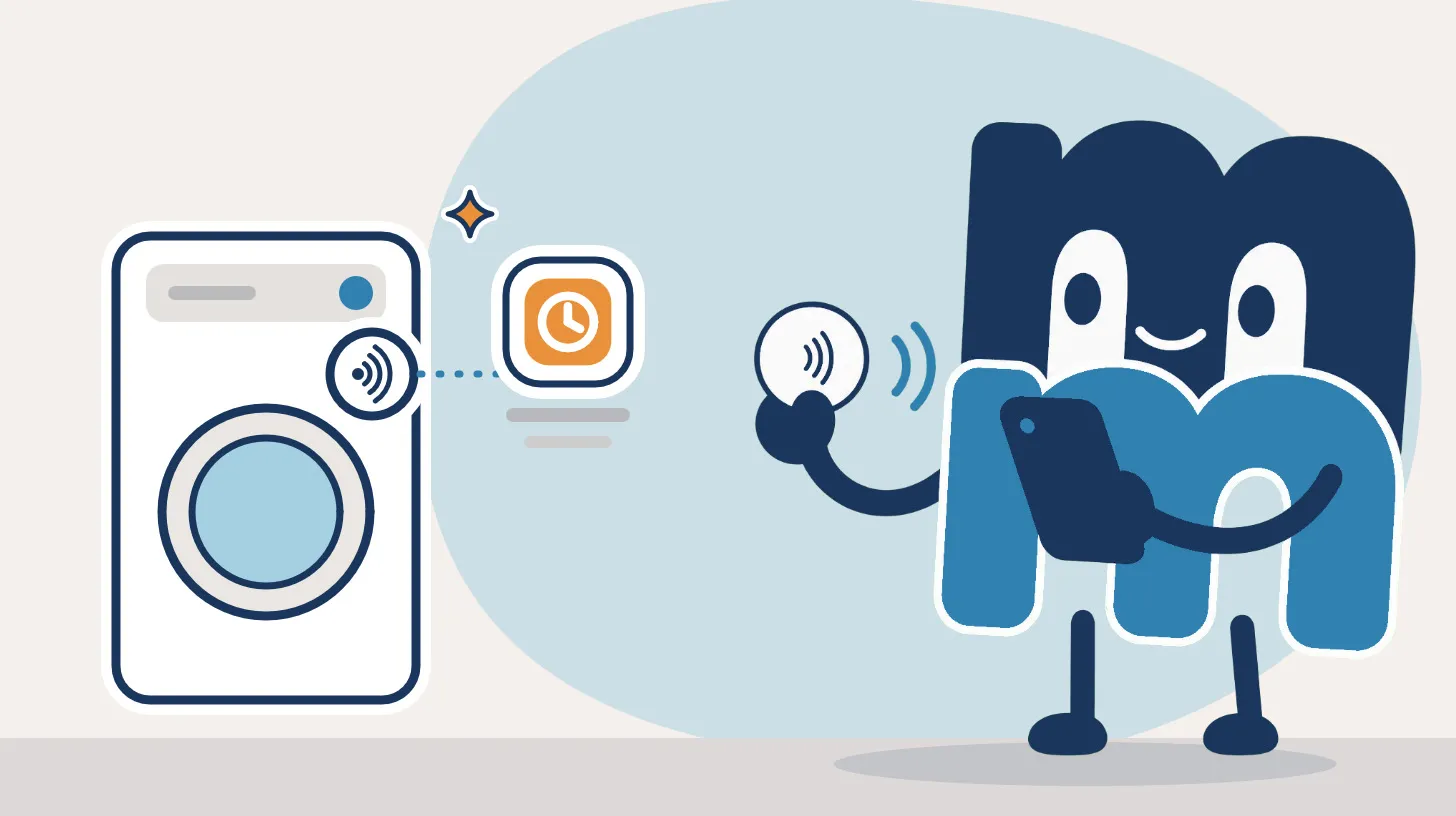
Forgot the Washing Again?
An NFC tag recipe build for iPhone, Samsung and Android, so the washing machine reminds you instead of your memory.

Browse by Challenge
Find practical technology supports for the ADHD moments that keep getting stuck, at home, in daily life, and while studying. Browse articles by the challenge you're trying to solve.
All MuddleMend articles live on Substack. Free to read, free to subscribe.
Subscribe on Substack → (opens in new tab) An NFC tag recipe build for iPhone, Samsung and Android, so the washing machine reminds you instead of your memory.
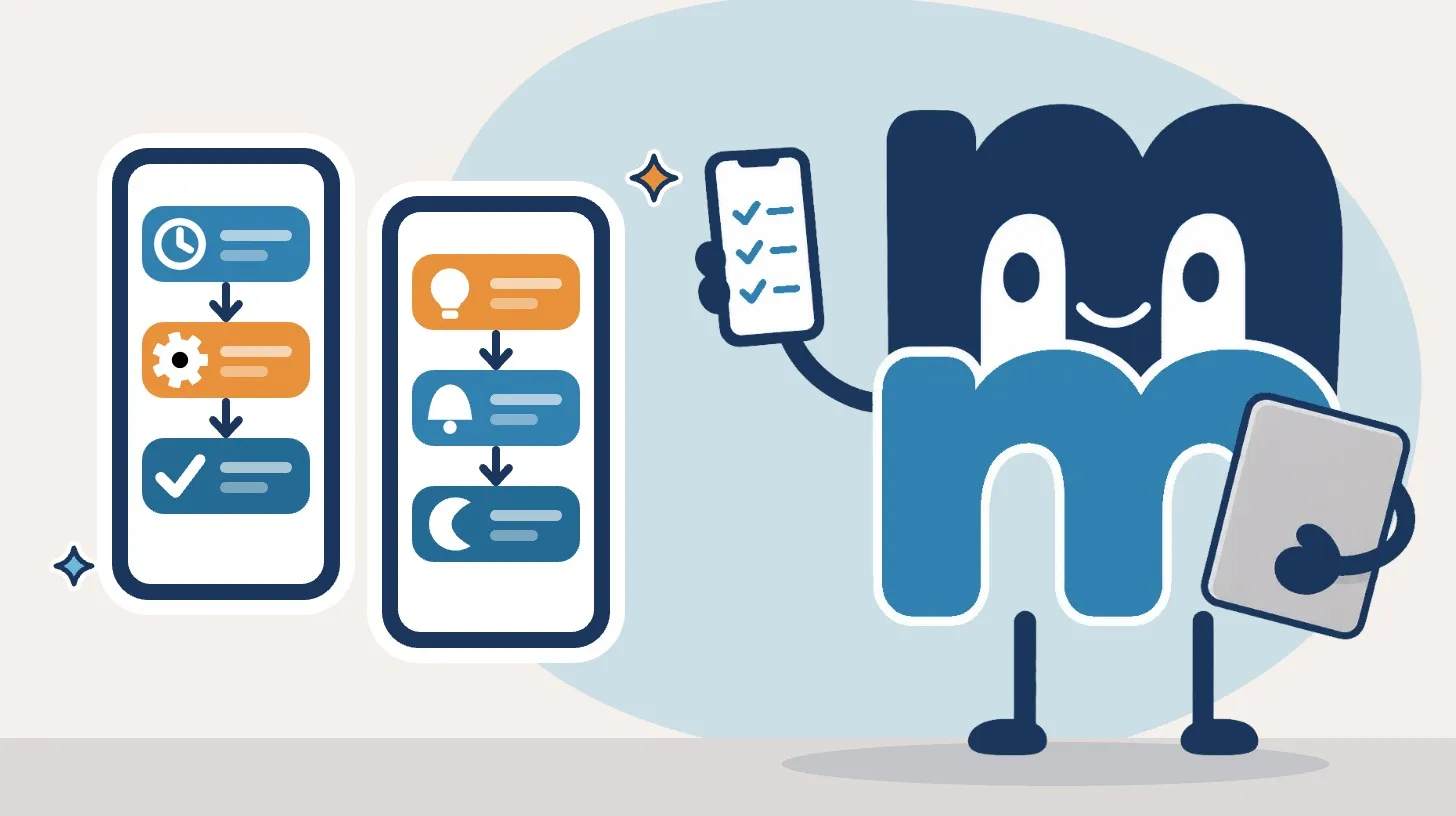
The iPhone Shortcuts and Samsung Modes and Routines worth adding, and why they work for ADHD brains.
A short explainer on how one small tap can turn a stuck moment into a starting point.
A step-by-step guide to ADHD iPhone shortcuts and automations that bypass the executive function barrier of morning routines.
Your brain has limited capacity. Your home has unlimited capacity. Let your home do the remembering.
How smart technology eases ADHD overwhelm through environmental support and automation.
Addressing messaging challenges with ADHD and impulse control through scheduled sending.
Dictation as a genuine accommodation for working memory and task initiation, not just convenience.
Daily task management and tracking approaches designed around how ADHD brains actually work, not another planner you'll abandon.
Helping ADHD minds turn down the volume on life with the right tech and settings.
How your phone's haptic engine creates sensory-friendly cues that cut through noise without adding to it.
Audiobooks, visual tech, and multi-modal approaches that make reading accessible for ADHD brains.
Breaking free from decision paralysis with smart tech, frameworks, and AI as a sounding board.
Beginner-friendly guide to building morning routine automations that bypass executive function.
Small programmable stickers that trigger your phone automations when tapped. A cheap, quiet accommodation your ADHD brain didn't know it needed.
How RGB smart bulbs act as environmental cues for time blindness, task switching, and routine building, and what to look for before you spend anything.
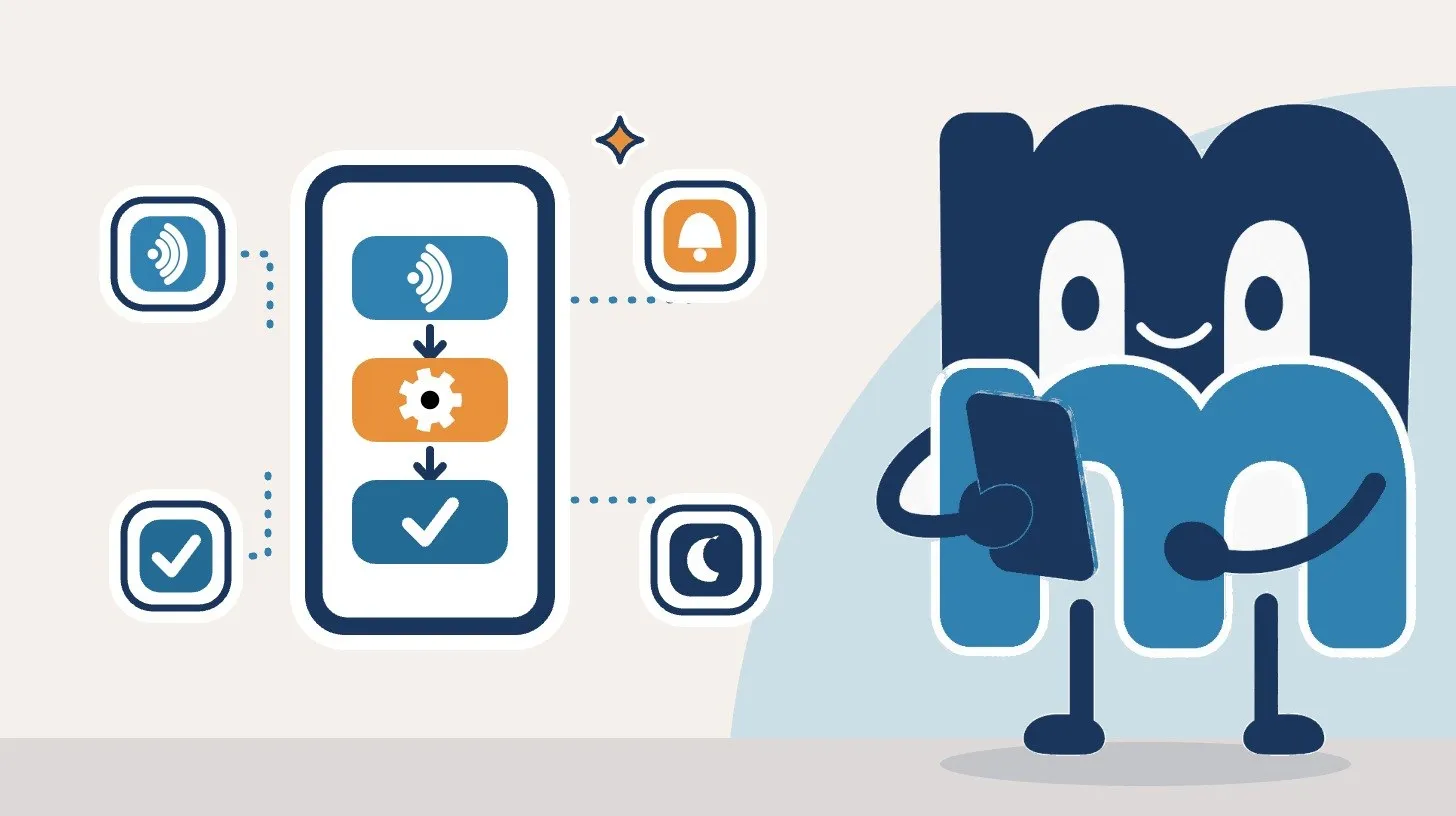
Shortcuts and automations can simplify ADHD routines, but understanding the difference between them is key to setting them up in a way that actually sticks.
A simple ADHD-friendly hack to stay on track and work with time blindness rather than against it.
How music can support focus, ease task initiation, and bring some calm to a busy ADHD mind.
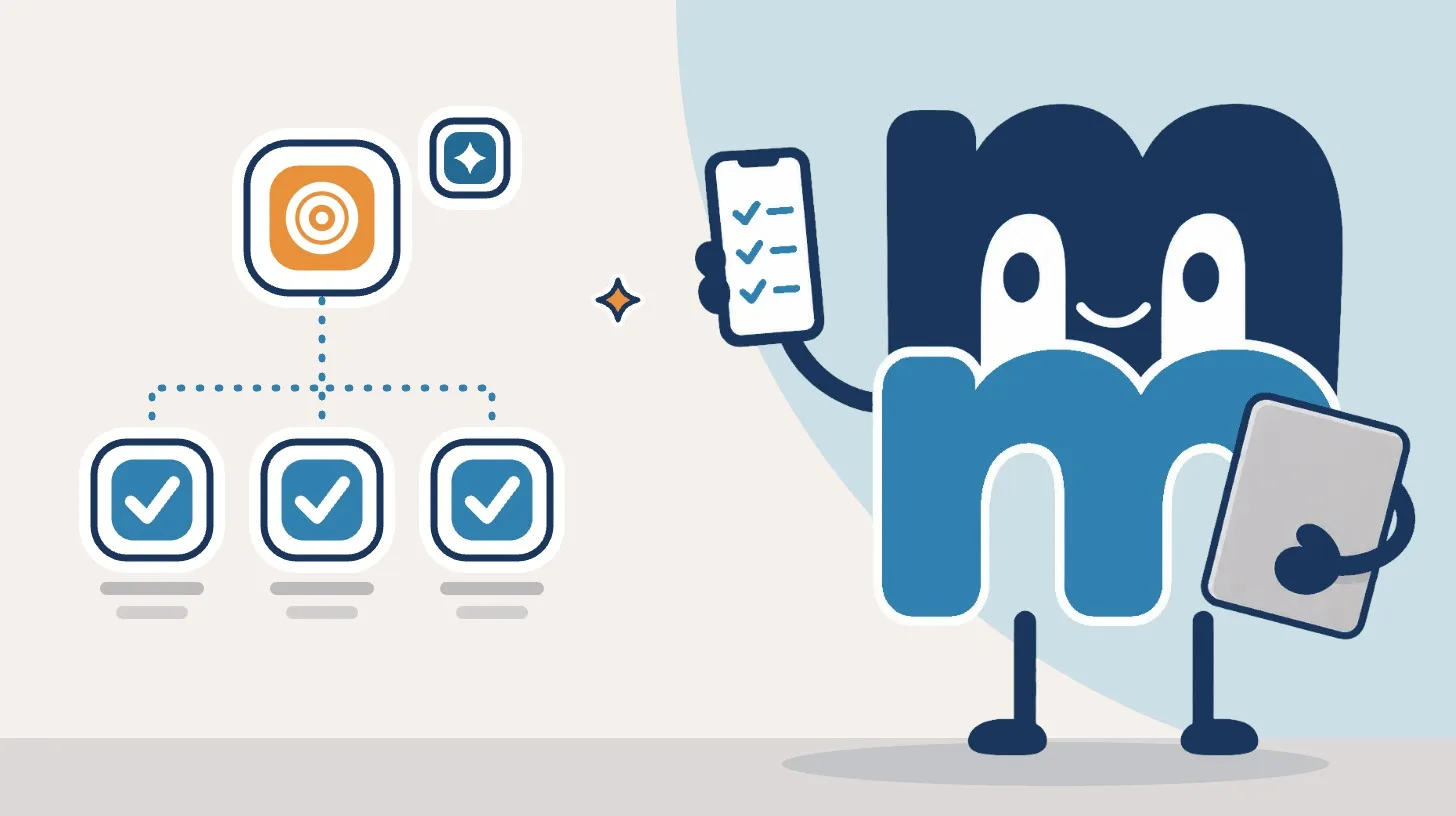
How AI can break overwhelming goals into realistic steps that actually fit your life.
Time management technique reimagined for focus and task initiation in ADHD brains.
MuddleMend organises articles by the moment that keeps getting stuck rather than by the technology involved. Here is what each one covers, and the kind of support that tends to help.
Time can pass without registering, so an hour feels like ten minutes and a deadline arrives with no warning. Tech helps by making time visible and external: countdown timers, layered alarms, calendar alerts that fire early enough to act on, and smart lights or speakers that mark the shape of the day. The aim is to stop holding time in your head.
Read Time Blindness articles →Knowing what to do and being able to start are two different things, and the gap between them is where a lot of the day disappears. Shortcuts, NFC tags and voice commands shrink that gap by turning a multi-step task into a single tap or spoken phrase. When starting costs less, starting happens more often.
Read Task Initiation articles →Every small choice draws on the same limited pool, so by the afternoon even simple decisions feel heavy. Automations and routines make a decision once and then repeat it, so your phone or your home handles the default and you only step in when something changes. Fewer open choices leaves more capacity for the ones that matter.
Read Decision Fatigue articles →Noise, light and background activity can build until it is hard to think, let alone work. Noise-cancelling headphones, Focus Modes, notification limits and adjustable lighting reduce the input before it reaches that point. This is about changing the environment rather than pushing through it.
Read Sensory Overload articles →Information can drop out between one moment and the next, so the thing you were about to do disappears mid-sentence. Voice notes, dictation, NFC tags and reminders placed where the task actually happens hold that information outside your head. The point is to catch things the moment you think of them, not later.
Read Working Memory articles →Moving between tasks can cost far more than the tasks themselves, and each switch leaves something unfinished behind. Focus Modes, single-purpose device setups and automations that close one context and open the next make the change less expensive. Fewer half-open loops means less to carry.
Read Task Switching articles →Deep attention is genuinely useful, right up until it runs past meals, appointments and the end of the working day. Timers, smart lights, spoken alerts and automations that interrupt in a way you will actually notice give you a way back out. The aim is not to prevent hyperfocus but to put an edge on it.
Read Hyperfocus articles →Reactions can arrive fast and at full volume, especially around messages, deadlines and unexpected change. Scheduled sending, delayed notifications, grounding cues and calming routines build a pause between the feeling and the response. A few seconds of distance often changes the outcome.
Read Emotional Dysregulation articles →A routine that works one week can quietly fall apart the next, and rebuilding it from scratch each time is exhausting. Automations, smart home triggers and phone routines hold the sequence for you, so the routine keeps running on the days you cannot drive it yourself. The consistency comes from the setup, not from willpower.
Read Routine Difficulty articles →Subscribe on Substack. Free, no spam, unsubscribe any time.
Subscribe on Substack (opens in new tab)New to MuddleMend? Start here to learn how ADHD tech accommodations work.